
Property Investment Finance in Brisbane and South East Queensland: How to Structure Loans for Growth
Published by Lifte Loans | Author: Jolly Dua, Credit Representative 531734, National Mortgage Brokers (ACL 391209)
There’s a meaningful difference between buying a home to live in and buying property to build wealth, and the finance side reflects that difference at every step. Whether you’re a business owner looking at your first investment property or a professional with an existing property already considering your next one, how your loans are structured matters as much as the property itself.
It’s not just about getting “a loan”
Each time you buy an investment property, a lender isn’t assessing that property in isolation. They’re looking at your whole financial position: your existing loans, your rental income (often discounted for assessment purposes), your living expenses, and how all of it adds up against what you’re trying to borrow next. This is called serviceability, and over time it has more influence on how many properties you can hold than your deposit does.
Why structure matters more as your portfolio grows
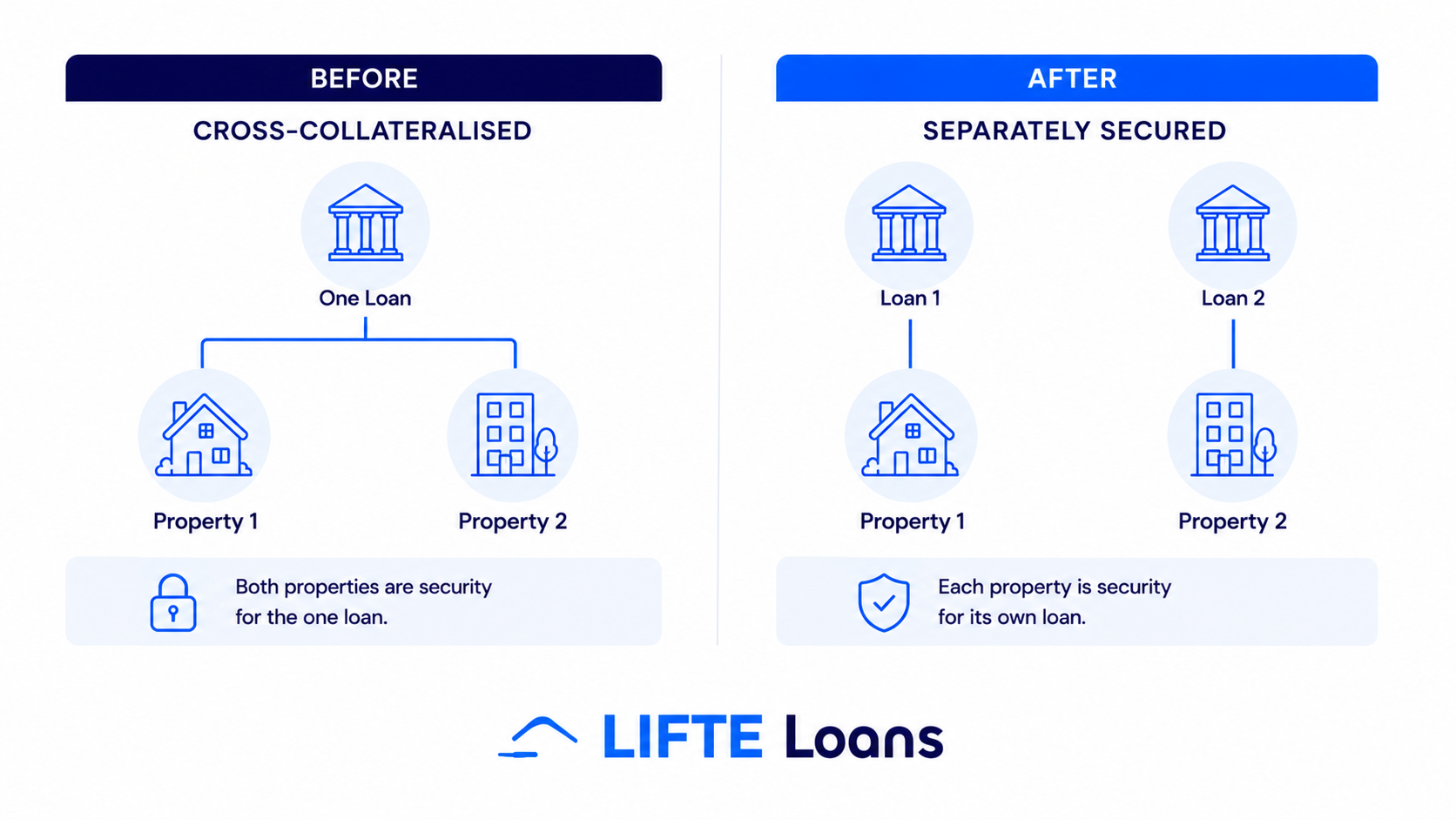
With one investment property, structure might not feel like a big decision. With two, three, or more, it starts to compound. Whether your properties are cross-collateralised (tied together as security) or kept separate, how your offset accounts are used, and how interest-only periods are timed can all affect your flexibility down the track.
Say you’re in a situation like this: you’ve got one investment property in Brisbane’s inner north, and you’re ready for a second on the Gold Coast. Your current lender wants to use your home as additional security for the new purchase. That’s not automatically a bad outcome, but it’s a decision with long-term implications, not a default to accept without understanding it.
Equity as a tool, not just a number on paper
As properties grow in value, the equity in them can potentially be used to fund the next purchase, sometimes without drawing on cash savings. This is one of the most common ways investors build a portfolio over time, but it relies on your existing loans being structured in a way that makes that equity genuinely accessible.
Where tax and ownership structure fit in
I’m not an accountant, and decisions around ownership structure, negative gearing, or trusts are conversations to have with one. What I focus on is making sure your finance structure works alongside whatever strategy you and your accountant land on, rather than being set up in a way that limits your options later.
Common misconceptions
“More properties automatically means more borrowing power.” Often the opposite, if serviceability hasn’t been planned for.
“All my properties need to be with the same lender.” Sometimes that’s useful, sometimes it isn’t, and it depends on your goals.
“Equity is the same as cash.” It’s still debt, secured against your existing property, and it still needs to be serviced.
How I help
Reviewing your current loan structure with an eye on your next two or three moves, not just the one in front of you
Explaining how serviceability is likely to be assessed for your next purchase
Working alongside your accountant so finance and tax strategy align rather than conflict
Helping you understand what your current equity position genuinely allows for
When to reach out
The investors who build sustainable portfolios tend to think a few properties ahead, not just about the deal in front of them. If you’re considering your next purchase, or even just want to understand your current position better, that’s the right time to start the conversation.
Thinking about your next property?
Let’s talk about where your portfolio could go from here.
Lifte Loans 0420 604 107 | [email protected] | lifte.com.au
Jolly Dua | Credit Representative No. 531734 | National Mortgage Brokers, Australian Credit Licence 391209